Automotive electronics wholesalers, 4S dealerships, importers, and car dealers face evolving driver expectations in the aftermarket. While massive Tesla-style displays capture headlines, the 7 inch touch screen car stereo remains the undisputed workhorse of global automotive audio upgrades. Its standardized form factor, direct dashboard compatibility, and balanced cost structure make it a vital inventory asset for commercial buyers.
Navigating supplier catalogs, hardware configurations, and protocol compatibility requires a practical technical approach. This guide provides procurement teams with the technical standards, vehicle fitment considerations, risk factors, and evaluation criteria necessary to source reliable 7-inch head units for bulk orders.
What Is a 7 Inch Touch Screen Car Stereo? Core Definition & Standard Specs
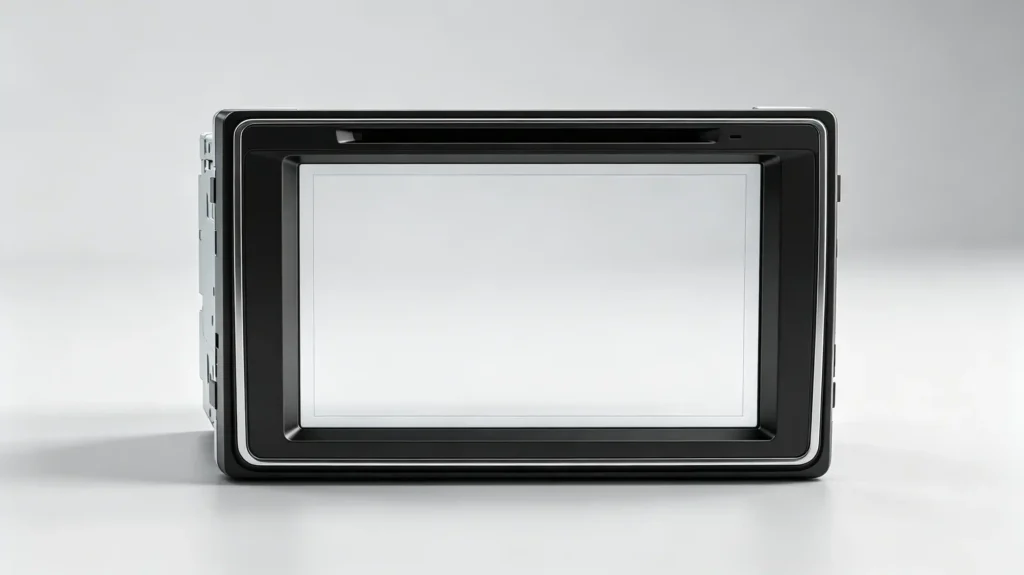
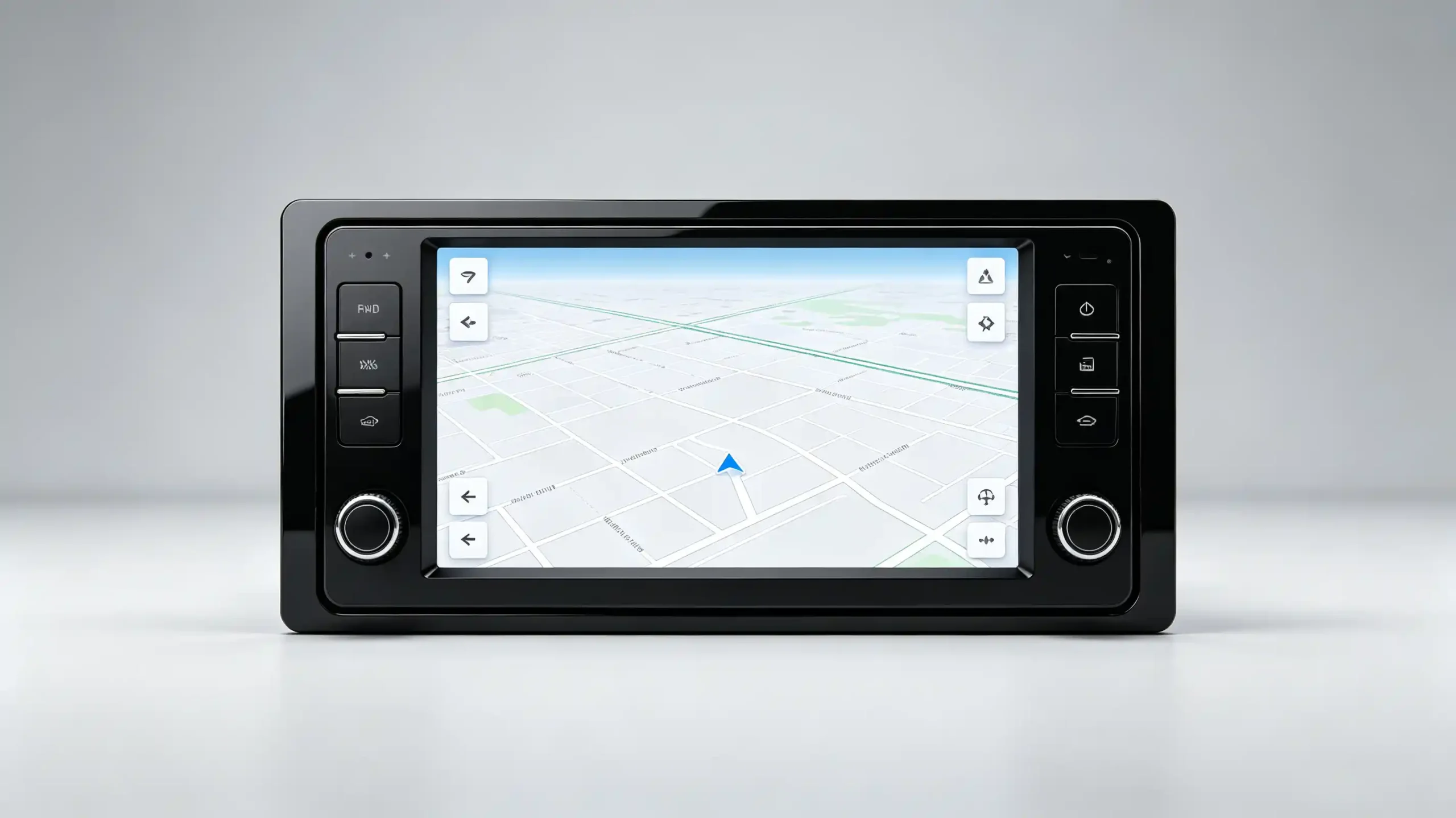
A 7 inch touch screen car stereo is a dashboard-mounted infotainment head unit featuring a 7-inch diagonal display. Engineered primarily to replace basic factory radios, these units combine audio processing, video playback, wireless connectivity, and vehicle data integration into a single console.
In the automotive aftermarket, the 7-inch form factor built on a Double DIN chassis represents the global standard. Standardized under ISO 7736, a classic Double DIN housing measures approximately 180 mm wide by 100 mm tall. This standardized physical footprint allows a 7 inch car stereo touch screen to fit directly into standard dashboard openings across millions of vehicles without requiring invasive custom modification.
+-------------------------------------------------------------+
|              ISO 7736 DOUBLE DIN CHASSIS FITMENT            |
|                                                             |
|                   <------ 180 mm ------>                    |
|                +---------------------------+  ^             |
|                |                           |  |             |
|                |    7-Inch Display Panel   | 100 mm         |
|                |                           |  |             |
|                +---------------------------+  v             |
|                                                             |
+-------------------------------------------------------------+
Core Hardware Specifications
Evaluating a car stereo touchscreen unit requires looking beyond screen size. Internal hardware architecture dictates long-term system stability and performance.
- Display Technology: Capacitive multi-touch displays are the industry standard, replacing older resistive screens. Commercial-grade panels offer resolutions from $800 \times 480$ up to $1280 \times 720$ pixels, paired with anti-glare coatings and minimum brightness ratings of $450 \text{ cd/m}^2$ for clear daylight visibility.
- Processing Architecture: Systems utilize multi-core automotive ARM processors paired with dedicated audio DSPs.
- System Memory: Configurations range from cost-effective 1GB RAM / 32GB ROM setups for entry-level Linux systems to 4GB+ RAM / 64GB+ ROM platforms for multi-tasking Android platforms. For a detailed breakdown of RAM and ROM configurations, read our guide on RAM and Storage Guide for Android Car Stereos.
- Vehicle Communication: Integrated CAN Bus decoder modules allow the head unit to interface directly with original steering wheel controls, climate displays, and reverse triggers.
Core Functional Configurations: Bluetooth & GPS Integration
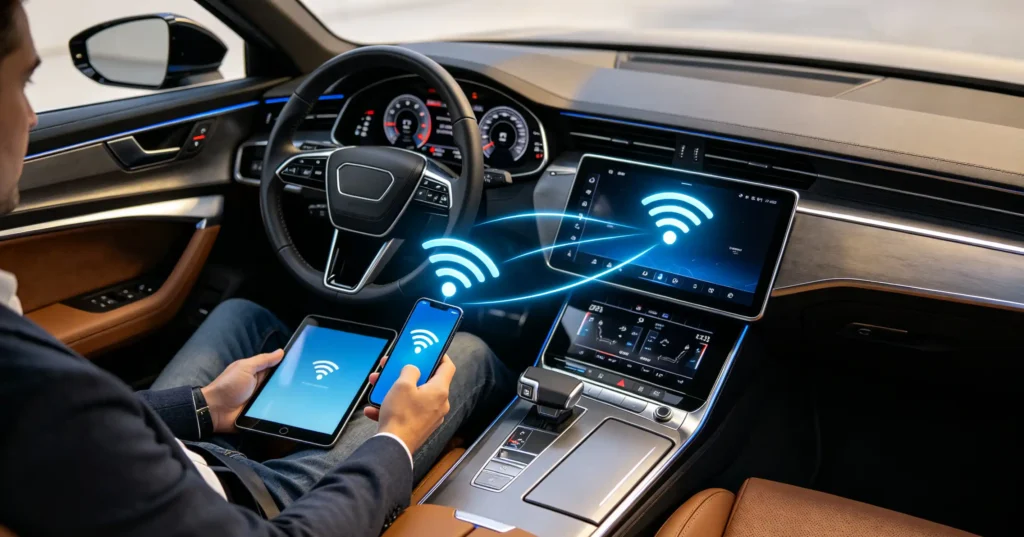
Modern drivers view in-vehicle entertainment as an extension of their digital devices. For commercial procurement, sourcing a 7 inch touch screen car stereo with bluetooth and dedicated navigation capabilities ensures your inventory aligns with core consumer demands.
+-------------------------------------------------------------+
|               CORE FUNCTIONAL INTEGRATION ARCHITECTURE       |
|                                                             |
|  +---------------------+         +-----------------------+  |
|  |    Bluetooth 5.0+   |         | Multi-Constellation   |  |
|  | Hands-Free / Audio  |         | GNSS / Offline Maps   |  |
|  +---------------------+         +-----------------------+  |
|             |                                |              |
|             +------------+     +-------------+              |
|                          |     |                            |
|                 +-----------------------+                   |
|                 | System SoC & DSP Engine|                   |
|                 +-----------------------+                   |
|                          |     |                            |
|             +------------+     +-------------+              |
|             |                                |              |
|  +---------------------+         +-----------------------+  |
|  | Smartphone Inter-   |         | CAN Bus Vehicle Data  |  |
|  | connection / Wi-Fi  |         | Integration / Sensors |  |
|  +---------------------+         +-----------------------+  |
+-------------------------------------------------------------+
Bluetooth Connectivity Standards
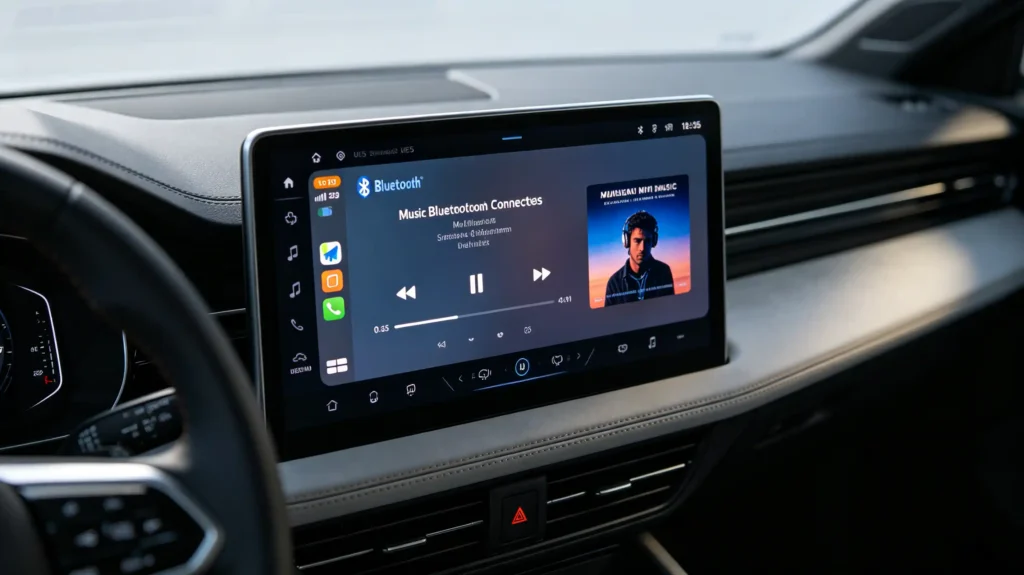
Bluetooth functionality goes beyond simple wireless music streaming. Commercial-grade head units incorporate Bluetooth 5.0 or higher modules. This hardware standard delivers faster pairing speeds, extended operating ranges, enhanced noise-suppression algorithms, and stable dual-device connections.
For commercial buyers, high-quality Bluetooth implementations minimize end-user complaints regarding dropped calls, echo artifacts, or poor phonebook synchronization. Furthermore, units featuring integrated Wi-Fi modules support seamless smartphone mirroring and screen projection. This allows drivers to safely project mobile apps onto the dashboard without physical cable clutter.
GPS Navigation Architecture
A high-performance 7 inch touch screen car stereo with gps relies on dedicated positioning hardware rather than basic mobile tethering. Professional-grade head units feature multi-constellation GNSS receivers that simultaneously connect to GPS, GLONASS, BeiDou, and Galileo satellite networks.
Multi-constellation positioning guarantees rapid cold-boot satellite locks and maintains precise tracking through urban canyons or dense overhead foliage. In commercial fleets and export markets with inconsistent cellular coverage, built-in offline map storage ensures continuous navigation uninterrupted by network dead zones.
7 Inch Touch Screen Car Stereo: Compatibility & Vehicle Fitment Guide
Installation complexity represents one of the largest hidden operational costs in aftermarket sales. A miscalculated dash opening or incompatible wiring harness can delay installation schedules and increase return rates.
+-------------------------------------------------------------+
|                 VEHICLE FITMENT & ADAPTATION FLOW           |
|                                                             |
|  1. Verify Dash Opening  ---> ISO 7736 Double DIN Standard  |
|                               (180 mm x 100 mm)             |
|                                                             |
|  2. Check Wiring Network ---> ISO Plug / Plug-and-Play      |
|                               Vehicle Harness               |
|                                                             |
|  3. Protocol Matching   ---> Dedicated CAN Bus Decoder      |
|                               (Steering Controls, Camera)   |
|                                                             |
|  4. Installation Kit    ---> Custom Dash Bezel & Mounting   |
|                               Brackets                      |
+-------------------------------------------------------------+
Vehicle Compatibility Considerations
The standardized 7-inch Double DIN chassis provides wide installation versatility across passenger cars, commercial light trucks, and SUVs built from the early 2000s onward.
- Direct Universal Fit: Vehicles equipped with factory Double DIN dash slots require minimal mounting hardware. Installers simply secure the unit using standard side brackets and connect an ISO wiring harness.
- Custom Dash Adapters: For vehicles with non-standard molded dashboards, installation requires a vehicle-specific fascia frame bezel. The 7-inch unit mounts securely behind the custom trim panel, preserving the original interior aesthetic.
- CAN Bus Protocol Integration: Modern vehicle networks route steering wheel control signals, reverse gear triggers, velocity telemetry, and door open alerts through a CAN Bus communication network. Retaining these factory functions requires matching the head unit with a protocol decoder box.
At Rungrace, our in-house R&D team develops dedicated CAN Bus protocol software supporting over 200 global vehicle models. This independent engineering capability ensures that bulk head unit orders maintain original steering wheel controls and vehicle data integration across diverse fleet deployments.
How to Choose the Best 7 Inch Touch Screen Car Stereo for Bulk Orders
Selecting the best 7 inch touch screen car stereo for wholesale or dealership inventory requires evaluating supplier capabilities alongside product specifications. Procurement managers should assess potential hardware using six key criteria:
+-------------------------------------------------------------+
|             BULK PROCUREMENT EVALUATION MATRIX              |
|                                                             |
|  [Display Quality]    Capacitive Touch, Anti-Glare Panel,   |
|                       >= 800x480 Resolution                 |
|                                                             |
|  [GNSS Module]        GPS / GLONASS / BeiDou Support,       |
|                       Offline Map Compatibility             |
|                                                             |
|  [Bluetooth Hardware] Bluetooth 5.0+, Noise Suppression,    |
|                       Dual-Device Pairing                   |
|                                                             |
|  [CAN Bus Adaptation] Self-Developed Decoders, 200+ Model   |
|                       Protocol Coverage                     |
|                                                             |
|  [Quality Assurance]  48-Hour Burn-In Test, 72-Hour High    |
|                       Temp (60°C) & Vibration Testing       |
|                                                             |
|  [Factory Support]    Custom UI, OTA Updates, 15-Day Lead   |
|                       Time, Permanent Spare Parts           |
+-------------------------------------------------------------+
Essential Sourcing Evaluation Criteria
- Display Hardware Durability: Demand automotive-grade capacitive touch screens designed to withstand extreme cabin temperature fluctuations. Avoid low-cost resistive panels that degrade under UV exposure.
- RF and Signal Performance: Verify that onboard radio tuners (NXP/Silicon Labs) and Bluetooth chips deliver clean signal separation and resistance to engine electrical noise.
- Firmware and UI Customization: Partner with manufacturers capable of delivering tailored user interfaces. Custom boot animations, brand logo silk-screening, custom desktop icon arrangements, and multi-language system options (30+ languages) elevate product presentation for local markets.
- Over-The-Air (OTA) Update Capabilities: Choose platforms that support remote OTA software updates. Pushing firmware optimizations and protocol patches remotely eliminates physical unit returns and cuts after-sales maintenance costs.
- Manufacturing QC Verification: Ensure your supplier maintains full-process quality control. Inspect incoming raw materials (IQC), monitor assembly line soldering (IPQC), conduct full-function testing on semi-finished hardware (FQC), and enforce random sampling prior to shipment (OQC).
- Thermal & Mechanical Durability Testing: Verify that finished head units undergo rigorous environmental testing. Standard testing protocols should include a continuous 48-hour power-on aging burn-in test, a 72-hour high-temperature endurance test at 60°C, and vehicle road-simulation vibration testing.
For a complete framework on matching head unit specs to your business scenario — including 4S dealerships, cross-border wholesale, fleet operators, and OEM projects — read our guide: How to Choose an Android Head Unit for Your Vehicle.
7 Inch vs Larger Screen Car Stereos: B2B Procurement Comparison
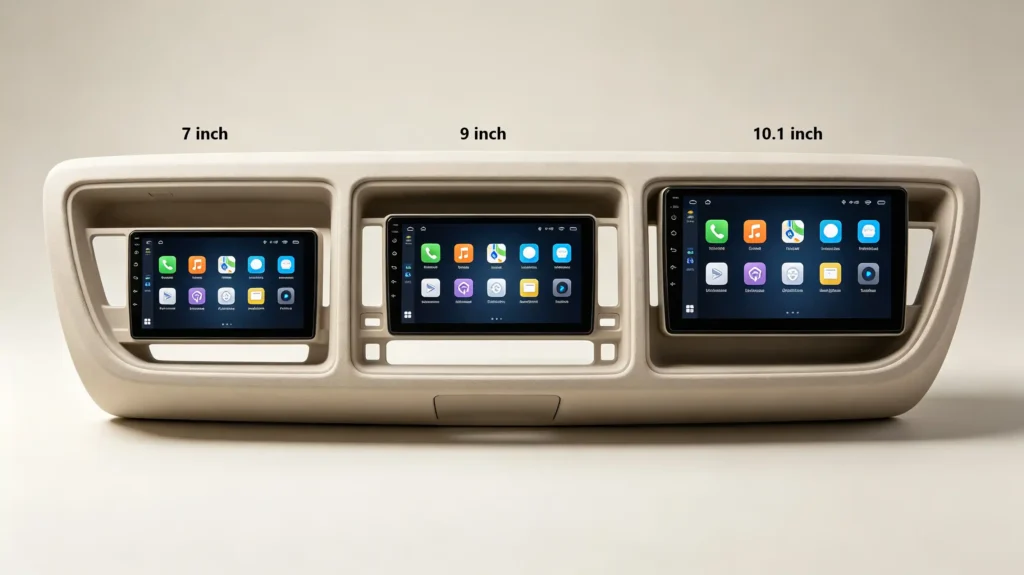
When building inventory profiles, commercial buyers often debate stocking 7-inch units versus larger 9-inch, 10.1-inch, or vertical Tesla-style screens. Understanding the commercial tradeoffs between these display form factors helps optimize stock allocation.
| Feature / Business Metric | 7 Inch Touch Screen Car Stereo | 9 / 10.1 Inch Floating & Custom Screen | Tesla-Style Vertical Display |
| Physical Standard | ISO 7736 Double DIN Standard | Universal Body / Dedicated Frame | Vehicle-Specific Custom Console |
| Dash Fitment Range | Universal (90%+ vehicle fleet coverage) | Broad (Requires model fascia frame) | Narrow (Dedicated to specific models) |
| Per-Unit Procurement Cost | Low to Moderate (Optimized BOM) | Moderate to High | Premium Sourcing Investment |
| Inventory Turnover Rate | High (Rapid stock movement) | Moderate (Driven by retail trends) | Niche / Order-Based Turnover |
| Installation Complexity | Low (Standard ISO / Plug-and-Play) | Moderate (Fascia fitting required) | High (Complex trim disassembly) |
| Target Market Application | Fleet retrofits, classic cars, universal upgrades | Modern passenger vehicle upgrades | Premium retail modifications & 4S customization |
Commercial Strategic Takeaways
The 7 inch touch screen car stereo serves as the foundation of automotive aftermarket sales. Its universal fitment, low initial capital requirement, and predictable turnover make it an ideal core stocking item for importers and wholesalers.
Larger floating screens and vehicle-specific vertical displays serve as effective upsell options for retail 4S shops. However, their model-specific nature increases inventory holding costs. Maintaining a balanced stock—anchored by high-volume 7-inch Double DIN units—protects cash flow while covering broad customer demands.
For a detailed comparison of 9-inch and 10.1-inch screen options — including resolution, PPI, and market positioning — read our guide on Android Head Unit Display Size Guide.
Common 7 Inch Touch Screen Car Stereo Sourcing Risks & Red Flags
Sourcing bulk electronic hardware from overseas suppliers involves navigating potential quality traps. Unvetted suppliers may cut production costs at the expense of long-term product reliability. Commercial buyers should watch for these common sourcing red flags:
+-------------------------------------------------------------+
|                  SOURCING RISKS & RED FLAGS                 |
|                                                             |
|  [Flag 1: Hardware Spec Inflation] Fake RAM/ROM readings    |
|            installed via hacked Android firmware.           |
|                                                             |
|  [Flag 2: Inadequate Thermal Management] Undersized heat    |
|            sinks leading to CPU throttling & black screens.|
|                                                             |
|  [Flag 3: Unstable CAN Bus Decoders] Dropped steering wheel |
|            controls and vehicle data communication errors. |
|                                                             |
|  [Flag 4: Skipped Burn-In Testing] Unchecked hardware       |
|            defects arriving in bulk customer shipments.     |
+-------------------------------------------------------------+
Critical Sourcing Traps to Avoid
- Hardware Specification Inflation: Some vendors use modified firmware binaries to report inflated RAM or ROM specs (e.g., displaying 4GB RAM on a physical 2GB chip). Always verify hardware parameters using independent diagnostic software during sample testing.
- Inadequate Thermal Dissipation: Compact Double DIN chassis generate significant heat. Units equipped with thin, low-cost aluminum heat sinks often suffer thermal throttling, system crashes, or screen blackouts during warm weather. Inspect physical heat sink mass and internal thermal shielding.
- Untested Protocol Compatibility: Inexpensive third-party CAN Bus decoders often drop steering wheel signals or cause battery drain issues due to improper sleep mode implementation. Ensure your manufacturer tests protocol boards on dedicated vehicle simulation test benches.
- Missing Burn-In Documentation: Unscrupulous suppliers frequently bypass lengthy aging tests to accelerate delivery schedules. Skipping burn-in testing allows latent component failures to reach end customers. Demand verified QC logs confirming a full 48-hour continuous power-on aging burn-in test before approving bulk production shipments.
Frequently Asked Questions
What is the standard installation size of a 7-inch touch screen car stereo?
A standard 7-inch touch screen car stereo is built on an ISO 7736 Double DIN chassis, measuring approximately 180 mm in width by 100 mm in height. This standardized size fits directly into standard Double DIN dashboard slots across most vehicle makes and models.
What Bluetooth version is recommended for commercial head unit orders?
Commercial bulk orders should specify Bluetooth 5.0 or higher. Bluetooth 5.0 provides stable wireless connectivity, faster phonebook synchronization, reduced audio latency, and effective background noise suppression during hands-free calls.
Can a 7-inch touch screen car stereo with GPS navigate without a cellular signal?
Yes. Units equipped with dedicated multi-constellation GNSS hardware (GPS, GLONASS, BeiDou) process positioning signals directly from satellites. When preloaded with offline map software, navigation operates reliably in remote regions without cellular connectivity.
How do I ensure steering wheel controls work with an aftermarket 7-inch head unit?
Retaining factory steering wheel controls requires connecting the head unit to a compatible CAN Bus decoder box programmed for the target vehicle’s communication protocol. Partnering with a manufacturer that maintains in-house CAN Bus protocol development ensures broad model compatibility.
What are the main causes of high return rates in bulk car stereo shipments?
High return rates are typically caused by hardware thermal instability, unverified CAN Bus protocol mismatches, and skipped factory testing. Working with suppliers that enforce full IQC/IPQC/FQC/OQC inspections, continuous 48-hour burn-in tests, and high-temperature testing minimizes after-sales defects.
Partner with a Direct Manufacturer for Your Head Unit Procurement
Navigating the competitive automotive electronics market requires a manufacturing partner that delivers stable hardware, flexible customization, and rigorous quality control.
Located in Huizhou, China, Rungrace is a professional direct manufacturer operating a 3,000m² standardized facility equipped with 10 production lines and a 200m² independent aging test workshop. Backed by an experienced R&D engineering team, we produce over 50,000 units monthly—covering full-stack Android and embedded Linux 7-inch head units, customized wiring harnesses, and self-developed CAN Bus decoders.
For a complete technical overview of what an Android head unit is and how it is built, see our guide on What Is an Android Head Unit?
Whether you need small trial orders, custom UI and branding solutions, or large-volume OEM production, we offer 15-day sample lead times and comprehensive technical support to grow your business.
Contact our technical sales team today to discuss your OEM/ODM requirements or request a custom wholesale quote.