“What is the best Android head unit brand?” is a question that sounds like it should have a clean answer. But it rarely does for B2B buyers. A dealer stocking retail-ready units for walk-in customers has different priorities than an automaker sourcing a fully customized OEM configuration for a new vehicle line. “Best” looks different depending on which of those you actually are.
This guide walks through how to evaluate Android head unit manufacturers meaningfully. It avoids chasing a generic ranking that does not account for your actual sourcing situation. For a technical overview of the hardware platform, see our What Is an Android Head Unit guide.

What “Best” Actually Means When Comparing Android Head Unit Brands
Ranking Android head unit brands as if there is one universal winner misses the point of B2B sourcing entirely. A brand that is an excellent fit for a small retail shop selling pre-configured units to individual customers may be a poor fit for a wholesaler needing bulk OEM customization. The reverse is also true.
The more useful question is not “which brand is best.” It is “which manufacturer’s capabilities match what my business actually needs.”
This reframing matters because the criteria that make a brand valuable pull in different directions depending on the buyer. Customization flexibility, factory quality control, pricing at volume, and after-sales support all matter. But a dealer prioritizing brand recognition for retail sales cares about different things than an importer prioritizing landed cost and reliable bulk supply. Comparing manufacturers without first defining which of these you are optimizing for tends to produce a shortlist that does not actually fit the business.
Categories of Android Head Unit Manufacturers
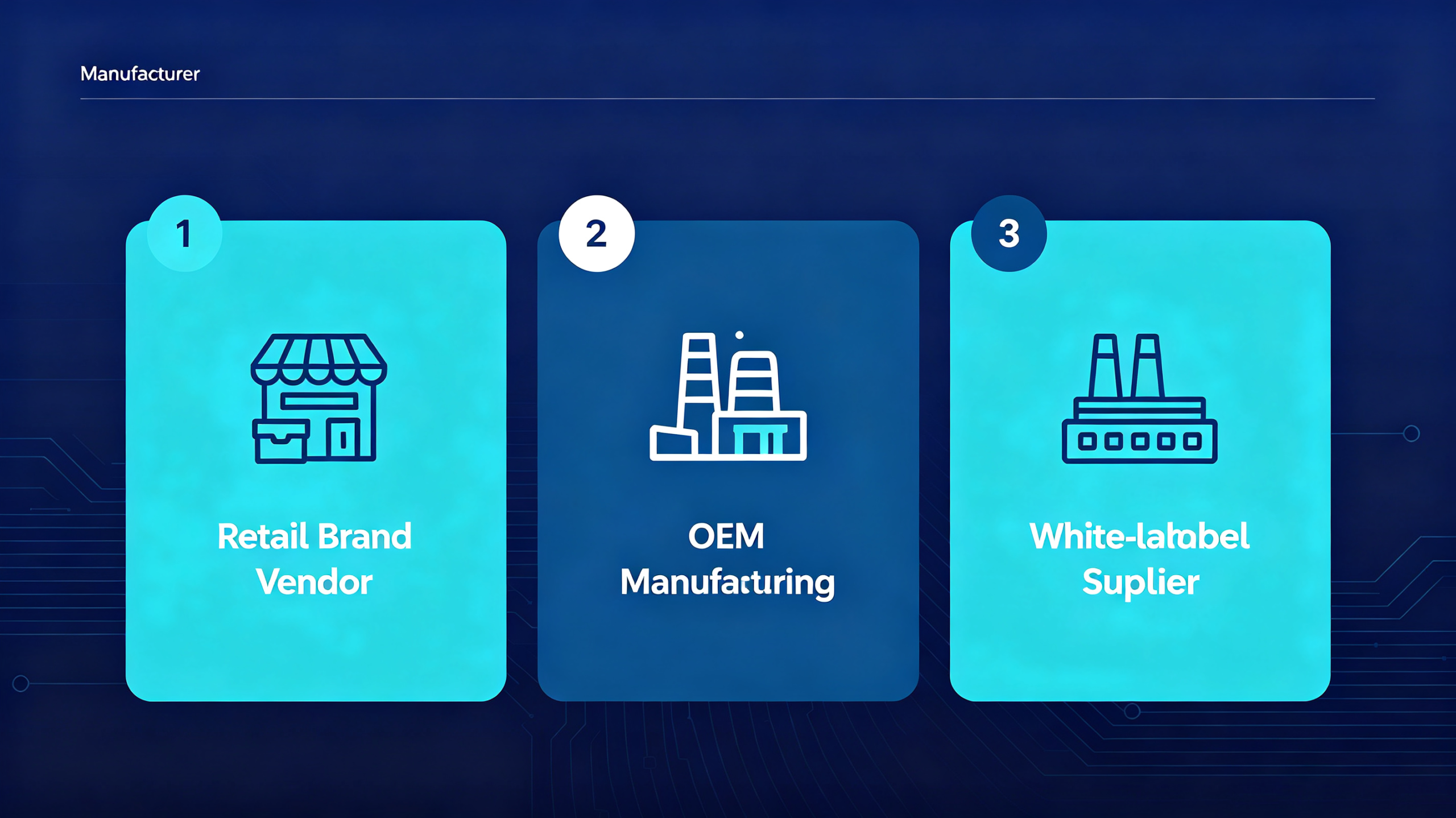
Before comparing specific suppliers, it helps to understand the broad categories Android head unit manufacturers generally fall into. Each serves a different part of the market.
Some manufacturers focus primarily on direct-to-consumer sales through online retail channels. They offer fixed configurations with limited customization. These brands compete heavily on price and convenience for individual buyers installing a single unit in their own vehicle. They are generally not structured to support bulk OEM/ODM projects requiring custom branding or vehicle-specific protocol development.
For a dealer sourcing single units occasionally, this category can work fine. But for a wholesaler or importer trying to build a distinguishable product line, sourcing from a brand designed around one-off consumer sales tends to produce the same generic product every competitor can also access. For guidance on choosing the right supplier, see our how to choose a car navigation system supplier guide. This makes differentiation difficult once several dealers in the same market carry near-identical inventory.
Other manufacturers operate primarily as factory-direct suppliers to dealers, wholesalers, and automakers. Their production capacity and R&D support are built around customization. This includes branding, hardware configuration, and vehicle-specific CAN Bus protocol matching for bulk orders. This category tends to suit B2B buyers who need consistent supply at volume. It also suits those who need the flexibility to adapt units for specific vehicle models or regional markets.
Regional and White-Label Suppliers
A third category includes smaller regional manufacturers or white-label suppliers. They produce under a buyer’s own brand without applying significant customization beyond basic labeling. This can work for buyers with limited technical requirements. But it often lacks the R&D depth to support deeper vehicle integration work, such as matching CAN Bus decoders to less common vehicle models. It can also mean longer lead times for anything beyond the supplier’s existing standard catalog. White-label operations are frequently reselling or lightly modifying a base product rather than manufacturing it themselves.
Key Criteria for Comparing Android Head Unit Brands
Concrete Factors for Comparison
Once you know which category fits your business, the actual comparison between manufacturers within that category comes down to a handful of concrete factors.
Manufacturing and Quality Control
How a manufacturer tests units before shipment says more about long-term reliability than any spec sheet. A factory running units through burn-in testing and functional checks before packaging catches defects that would otherwise surface as warranty claims after the units reach customers. Asking a potential supplier directly about their quality control process is worth doing before placing a first order. Do not accept a general assurance of “quality guaranteed.” A manufacturer willing to walk through their actual testing steps, rather than offering a vague reassurance, is usually a better sign than the reassurance itself.

Customization Capability
For buyers pursuing OEM or ODM projects, customization depth separates manufacturers more than almost any other factor. This includes hardware customization such as adjusting RAM, storage, and port configuration. It includes software customization for regional map data and language support. It includes branding customization covering UI themes, boot animation, and packaging. A manufacturer offering only surface-level branding without deeper hardware or software adjustment limits how differentiated a dealer’s product line can actually be. For more on customization, see our Android head unit UI customization guide.
After-Sales Support and Long-Term Cooperation
The relationship with a manufacturer does not end at shipment. Buyers should evaluate whether a supplier provides ongoing firmware and map updates. They should check whether spare parts remain available for units already sold. For a complete guide on updates, see our Android head unit software update guide. They should assess how responsive the manufacturer is when a batch issue needs troubleshooting. This factor tends to matter more the longer a business relationship runs. A supplier who disappears after the sale creates a growing support burden for the dealer over time.
Pricing Structure
Pricing structure deserves its own look here too. It should be separate from unit cost alone. Some manufacturers price customization as a flat setup fee regardless of order size. This favors larger buyers. Others scale customization costs more proportionally. This makes them more accessible for a dealer testing a new market with a smaller initial batch. Clarifying how a manufacturer structures pricing across different order volumes avoids a mismatch between what a buyer can commit to now and what the supplier actually expects.
How to Evaluate a Potential Supplier Before Committing
Beyond the general criteria above, a practical evaluation process helps avoid a mismatch discovered only after a large order ships.
Requesting sample units for real-world testing is essential. Do not just review spec sheets. Real-world testing reveals performance differences that do not show up on paper. This is particularly true around navigation accuracy, audio integration, and CAN Bus compatibility with specific vehicle models.
Asking about minimum order quantities clarifies whether a manufacturer can support a smaller trial batch before committing to full volume. This reduces risk when entering a new product line or region.
It is also worth asking how a manufacturer handles communication across the production timeline. This often predicts how smoothly a larger order will actually go. A supplier who provides clear updates during production flags potential delays early. They respond promptly to technical questions. They tend to be a better long-term partner than one who only communicates well during the initial sales conversation. This is harder to assess from a spec sheet or a first email exchange. This is another reason a smaller trial order before scaling up is worth the extra step.
Frequently Asked Questions
Is there actually one best Android head unit brand for every buyer?
No. The right manufacturer depends heavily on what a buyer needs — a retail-focused dealer prioritizes different things than an automaker sourcing a fully customized OEM configuration. Instead of chasing a universal “best” ranking, buyers get better results comparing manufacturers against their specific requirements: customization depth, order volume flexibility, and after-sales support.
What’s the difference between a factory-direct manufacturer and a white-label supplier?
A factory-direct manufacturer typically has in-house R&D and production capability supporting deep customization — hardware configuration, CANBUS protocol development, and branding. A white-label supplier generally offers a fixed base product with surface-level branding only. Buyers needing vehicle-specific integration or hardware adjustments usually get better results from a factory-direct relationship.
How important is quality control when comparing Android head unit manufacturers?
Very important, since it directly predicts warranty claim volume after units reach customers. A manufacturer that runs burn-in testing and functional checks before shipment catches defects that would otherwise become after-sales headaches. Asking directly about a supplier’s testing process, rather than accepting a general quality claim, is a reasonable step before placing a bulk order.
Should I request sample units before committing to a manufacturer?
Yes, whenever the order size justifies it. Spec sheets don’t reveal how a unit actually performs for navigation accuracy, audio integration, or CANBUS compatibility with your specific vehicle models. A sample order, even a small one, lets you verify real-world performance before committing to a larger production run.
Ready to Compare Your Options for OEM Android Head Units?
If your business needs customization depth, reliable quality control, and long-term supply flexibility rather than a fixed retail configuration, it’s worth evaluating manufacturers against those specific criteria. Contact our team to discuss your customization requirements, or request a quotation for OEM navigation solutions built around your business needs.