Buyers browsing car electronics catalogs run into “DAB” and “DAB+” constantly, but the terms still confuse a surprising number of dealers and importers — especially those sourcing for markets where DAB+ isn’t yet the default. This guide breaks down what a car DAB+ radio actually does, how adapters differ from built-in tuners, and what to check before committing to a supplier. For a full view of all hardware decisions, see our car stereo hardware components overview.
What Is DAB Radio in a Car?
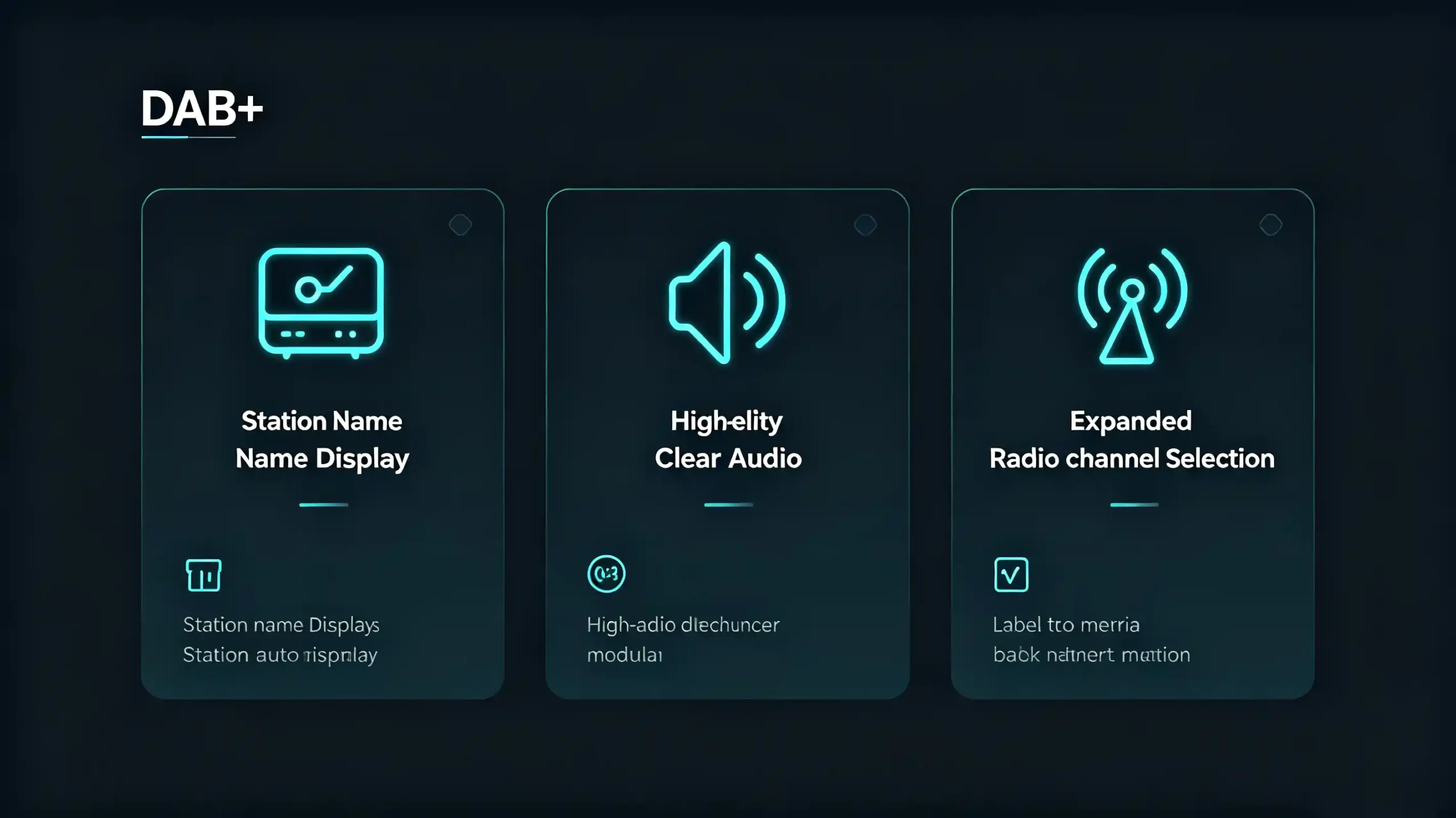
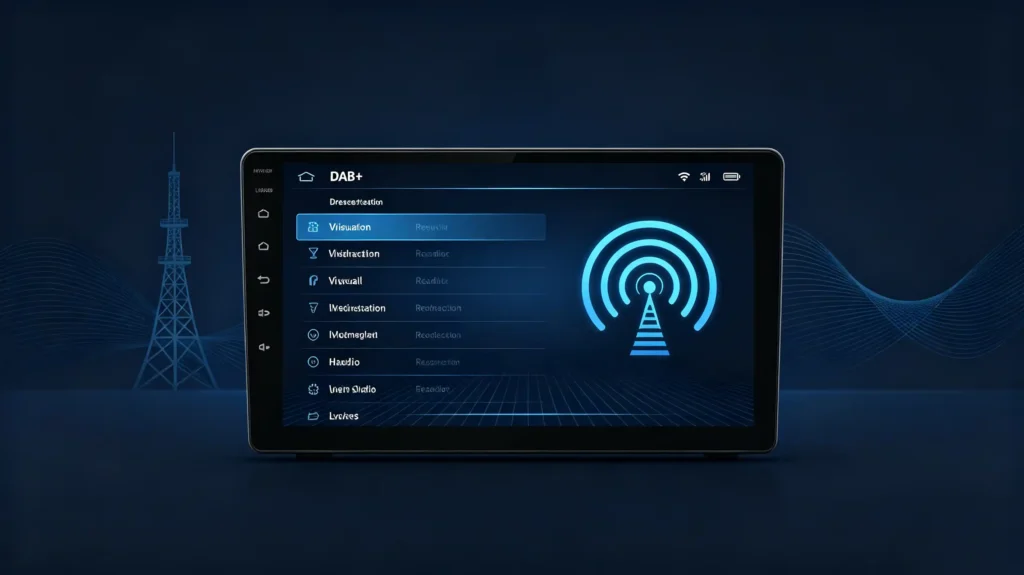
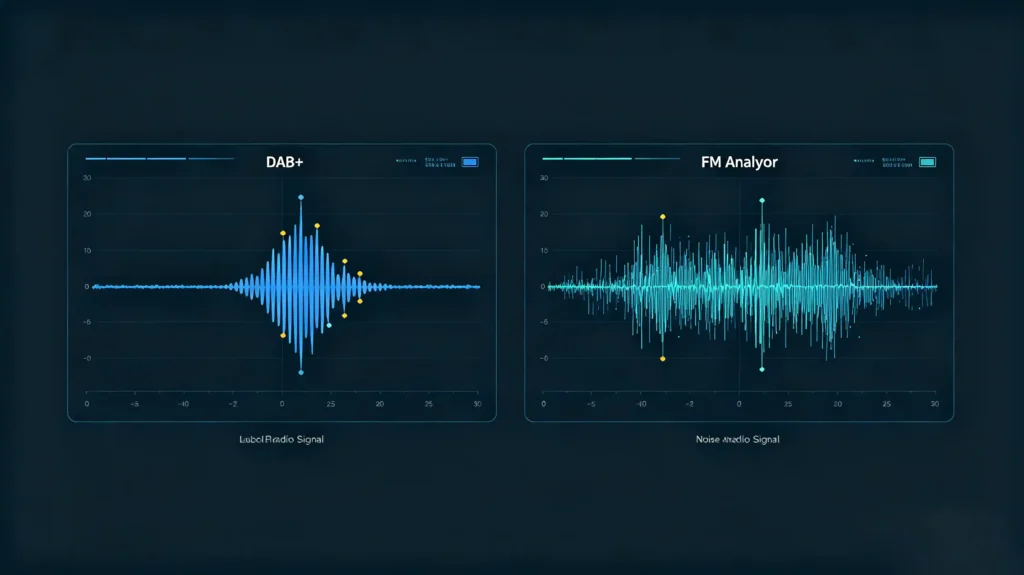
DAB stands for Digital Audio Broadcasting. Instead of the analog FM signal that gradually degrades with distance or tunnels, DAB transmits audio as a digital data stream. The result is clearer sound, no static hiss, and access to more stations packed into the same spectrum. DAB+ is the newer, more efficient version of the standard — it uses better audio compression, so broadcasters can fit more channels into a multiplex without sacrificing quality.
For a driver, the practical difference shows up immediately: station names appear on the display instead of just frequency numbers, audio doesn’t fade in and out on long drives, and switching between stations feels closer to using a streaming app than tuning an old radio dial.
The catch for B2B buyers is regional. DAB+ adoption varies sharply by country — it’s standard across much of Europe, Australia, and parts of Southeast Asia, but largely absent in North America and still patchy in others. This matters directly for sourcing decisions, because a head unit built for one region often needs a different tuner module or antenna setup for another.
Car DAB+ Radio Features Buyers Look For
When dealers evaluate a car DAB+ radio for stock or resale, a few features come up in nearly every conversation.
Reception Stability and Antenna Compatibility
DAB+ reception depends heavily on antenna quality and placement. A unit that performs well on a manufacturer’s test bench can still struggle in real vehicles if the antenna isn’t matched to the receiver’s amplification range, or if the vehicle’s own wiring introduces interference. This is one of the more common after-sales complaints dealers report — not a defective radio, but a mismatched or poorly shielded antenna. Buyers sourcing in volume should ask suppliers directly about antenna specifications and whether antenna amplifiers are included or need to be sourced separately.
Integration With Smart Car Systems
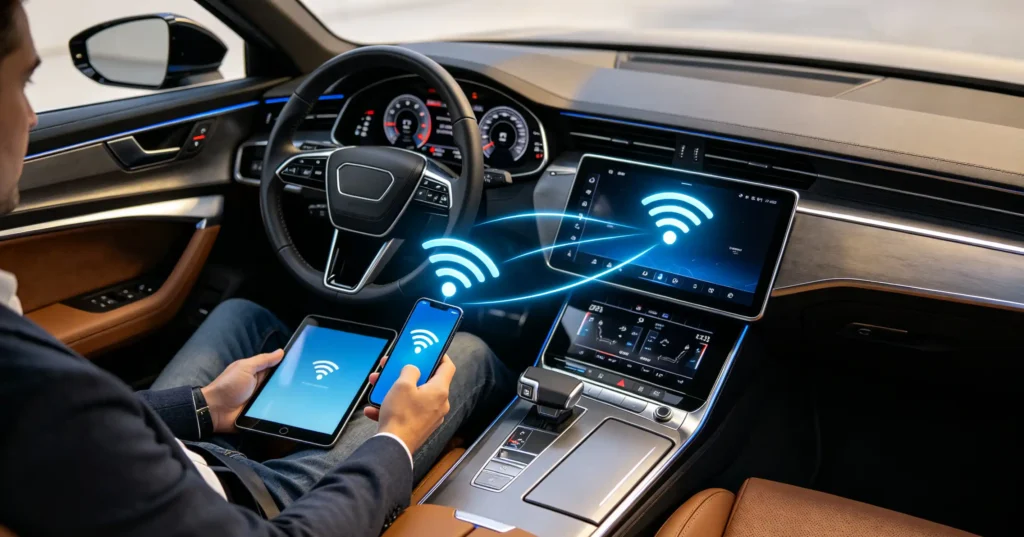
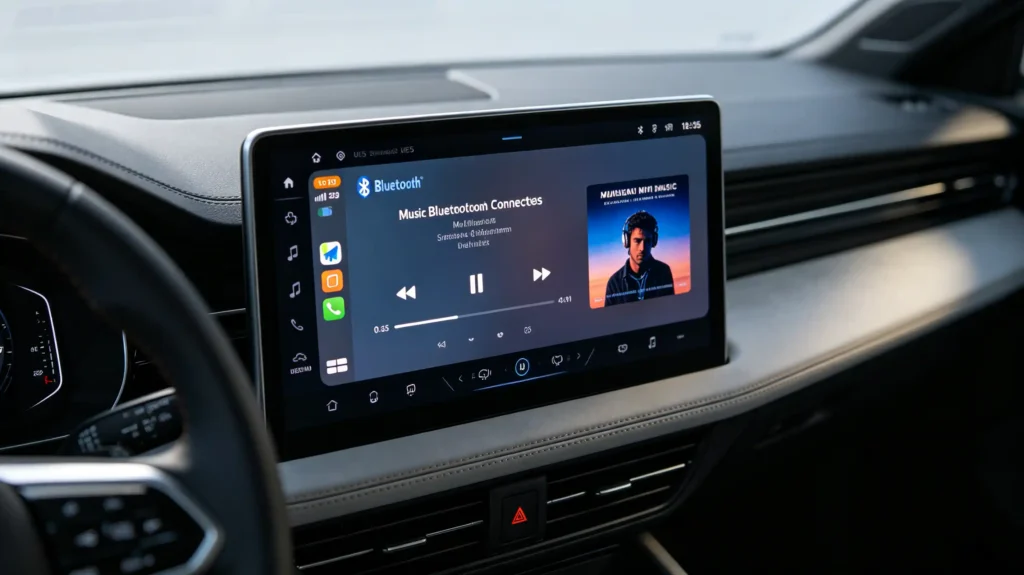
Most demand today isn’t for a standalone DAB+ tuner but for a smart car DAB radio built into a full Android-based head unit — one screen handling navigation, media, phone connectivity, and DAB+ tuning together. This is where the buying decision gets more technical, because the DAB+ module has to work cleanly alongside the rest of the system: it shouldn’t drain processing resources, cause audio lag when switching sources, or conflict with steering wheel controls routed through the vehicle’s CANBUS system.
For fleet operators or importers stocking multiple vehicle models, this integration question becomes a sourcing priority rather than a technical afterthought — a head unit that handles DAB+ well on paper isn’t useful if it doesn’t adapt to the CANBUS protocols of the vehicles it’s going into. For foundational context on vehicle communication, see our what is CAN BUS guide.
DAB Car Radio Adapter vs. Built-In DAB+ Tuner
Not every vehicle needs a full head unit replacement to get DAB+ support, and this is a distinction worth clarifying for customers who ask about upgrade paths.
A DAB car radio adapter is a separate module — typically a small box with its own antenna — that connects to an existing FM radio or aftermarket stereo and injects DAB+ stations through an FM frequency or an auxiliary input. It’s a lower-cost route for vehicles where replacing the entire dashboard unit isn’t practical or worth the expense, and it’s a common recommendation for older vehicle stock or budget-conscious retail customers.
A built-in DAB+ tuner, by contrast, is integrated directly into the head unit’s hardware. Audio quality tends to be more consistent because there’s no FM re-transmission step involved, and the station list, presets, and metadata display natively within the main interface rather than through a workaround.
For dealers, the practical guidance is straightforward: adapters suit retrofit and budget scenarios, while a built-in tuner suits customers upgrading their whole in-car system or businesses speccing new vehicle fitments. For more on connectivity and integration, see our smartphone integration in vehicles guide. Knowing which one a customer actually needs — rather than defaulting to whichever is easiest to stock — is what separates a good sourcing partner from one that just moves inventory.
There’s also a middle scenario worth mentioning: dealers who stock universal 2-DIN car stereos as a base product line and want to offer DAB+ as an add-on module rather than committing every unit to a fixed configuration. This approach lets a single stereo platform serve both DAB+ and non-DAB+ markets from the same production run, which simplifies inventory for wholesalers shipping to multiple regions.
Sourcing DAB+ Solutions for B2B Buyers
Car dealers, wholesalers, and 4S store networks evaluating a DAB+ radio supplier are rarely just comparing unit prices. A few factors tend to decide the relationship long before the first bulk order ships.
Customization and Regional Adaptation
Because DAB+ frequency requirements and multiplex standards differ by country, a supplier’s ability to adjust regional radio frequency settings, adapt firmware, and support multiple system languages matters more than it might for a purely domestic product. Rungrace supports this kind of software customization directly — regional frequency adaptation, system language packs, and function adjustments based on target market requirements are handled at the firmware level rather than left to the buyer to configure after delivery. For more on UI customization, see our Android head unit UI customization guide.
Supplier Evaluation Factors
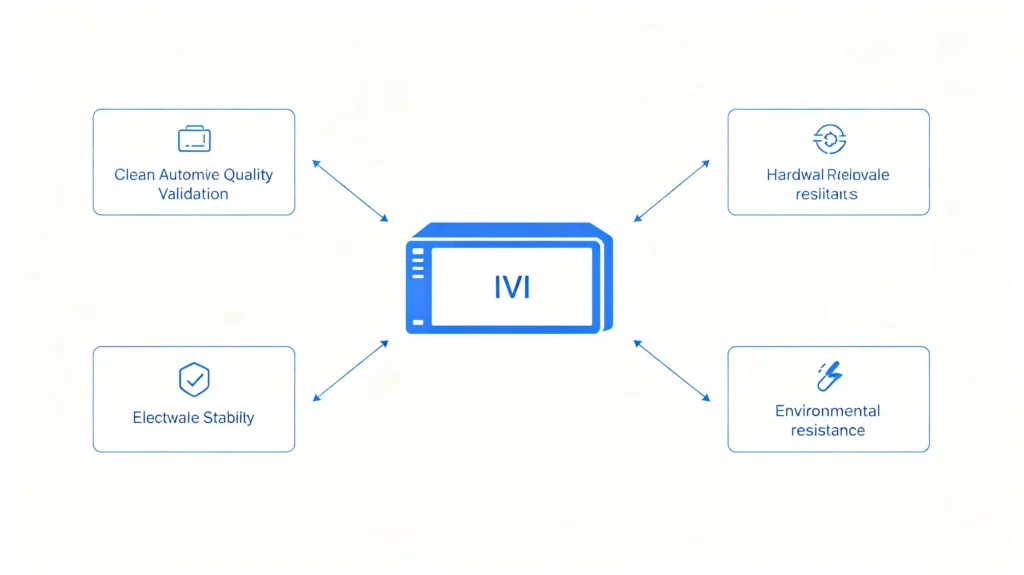
Buyers sourcing car DAB+ radios or smart head units with DAB+ support typically weigh a consistent set of factors: whether the factory can support OEM and ODM customization for branding and hardware configuration, how flexible minimum order quantities are for testing a new market before committing to volume, what quality control steps a unit passes through before shipment, and whether spare parts and technical support remain available after the sale.
Delivery timing also factors into the decision more than buyers sometimes expect at the quoting stage. A supplier offering standard models from stock versus one building every order from a custom specification will have very different lead times, and that difference matters when a dealer is trying to fill a seasonal order window or match a competitor’s turnaround. Asking for a clear production timeline upfront — not just a unit price — avoids surprises once a purchase order is already placed.
Rungrace runs full-process quality control on units leaving its Huizhou factory — including a 48-hour aging burn-in test — before any batch ships, and supports flexible MOQs so importers can trial a model before scaling up. For buyers deciding between a DAB adapter, a factory-fitted tuner, or a fully customized smart car DAB radio system, that kind of production transparency tends to matter as much as the spec sheet itself.
Frequently Asked Questions
Is DAB+ the same as DAB?
No. DAB is the original digital radio standard, while DAB+ is an upgraded version using more efficient audio compression. This lets broadcasters fit more stations into the same spectrum without losing sound quality. Most new deployments and receivers now use DAB+, and many current DAB+ tuners can still receive legacy DAB broadcasts, but not the reverse — older DAB-only receivers can’t decode DAB+ signals. For buyers, this means confirming a unit explicitly supports DAB+, not just “digital radio” in general terms.
Do I need a special antenna for a car DAB+ radio?
Yes, in most cases. DAB+ operates on a different frequency band than FM/AM, so a standard car antenna often isn’t sufficient for reliable reception. Dedicated DAB+ antennas, sometimes with a built-in amplifier, are typically required or strongly recommended. Poor reception complaints in the field are frequently traced back to antenna mismatches rather than the head unit itself, so confirming antenna specifications with a supplier before ordering in bulk is worth the extra step.
Can I add DAB+ to a car that only has FM radio?
Yes, through a DAB car radio adapter. These units connect to the existing stereo and relay DAB+ stations via an FM channel or auxiliary connection, avoiding a full head unit replacement. It’s a practical option for older vehicles or cost-sensitive retrofits, though audio quality and interface integration are generally more limited than with a built-in tuner.
What should I check before ordering DAB+ car radios in bulk?
Confirm the exact DAB+ regional standard the units are built for, antenna compatibility, CANBUS support for the target vehicle models, and the supplier’s quality control process. For OEM or ODM orders, also clarify firmware customization options, minimum order quantities, and after-sales spare parts availability before committing to a full production run.
Ready to Source Your Next DAB+ Car Radio Solution?
Whether you’re stocking retrofit adapters or specifying a fully integrated smart car DAB radio system for a new vehicle line, getting the antenna, firmware, and CANBUS compatibility right the first time saves both you and your customers from avoidable after-sales issues. For guidance on choosing the right supplier, see our how to choose a car navigation system supplier guide. Contact our team to discuss your regional DAB+ requirements, or request a quotation for OEM and ODM customization options tailored to your target market.